From Owner-Dependent to Team-Delivered
Overcoming the Growth Bottleneck:
From Overworked to
Scalable Success
When I started my business, I wore all the hats -managing clients, handling sales and marketing, and overseeing the day-to-day operations. That hands-on approach was necessary in the beginning, but I quickly realised that if I wanted the business to grow, I couldn’t continue doing everything myself.
Sustainable growth meant creating structure, delegating responsibility and building a team that could deliver without everything depending on me.
By strategically bringing in subcontractors, putting the right systems in place and maintaining a strong focus on the financial performance of the business, I was able to scale in a way that was both manageable and sustainable.
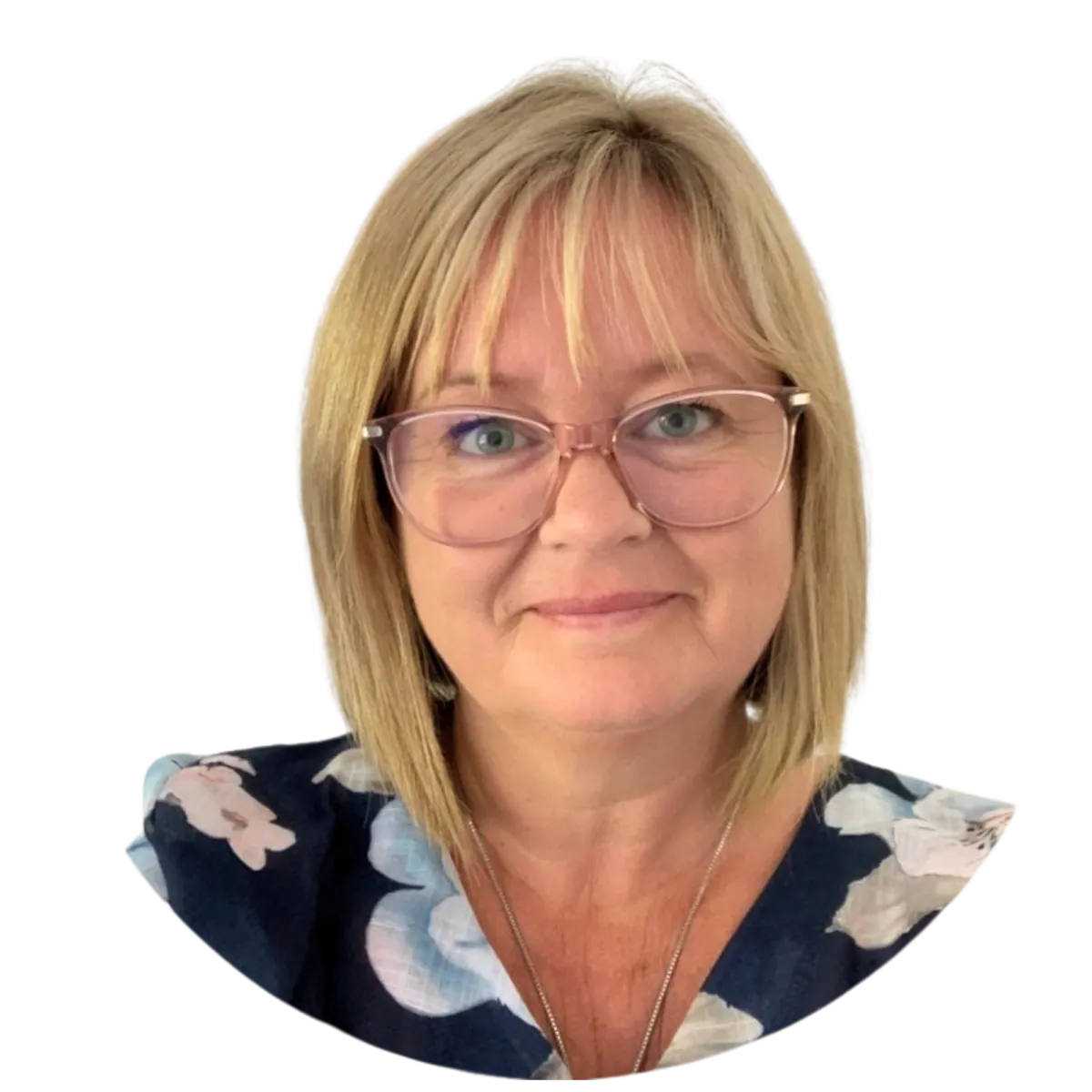
The Strategic Blueprint for Sustainable Growth
Delegating to Focus on Growth
I recognised early on that my time was best spent on the activities that would move the business forward - sales, marketing, onboarding new clients and creating the systems and processes the team needed. Not just for the technical but for the advisory services we provided too.
To create that capacity, I began bringing in subcontractors to take responsibility for client work. This allowed me to step away from more of the day-to-day delivery and focus my time on building and growing the business.
Building Systems and Processes
As we grew, I concentrated on creating systems and processes that supported both the team and our clients. These helped us deliver a consistent service, streamline workflows and make it easier to bring new team members into the practice.
The more structure we put in place, the less the business relied on me personally and the more capacity we created for sustainable growth.
Using the Numbers to Guide Growth
Financial performance played an important part in every growth decision we made. Rather than simply chasing more revenue, I used our numbers to understand what the business could afford, what it needed to generate and when we had the capacity to expand.
I set realistic sales targets based on the financial needs of the business and regularly reviewed profitability, costs, cash requirements and the resources needed to support our next stage of growth.
This meant growth decisions weren't based on guesswork. The numbers helped determine what we did next.
Scaling the Team
As we brought in more clients, I gradually expanded the team, bringing in subcontractors with the skills and expertise needed to support larger and more complex clients.
Rather than building the team ahead of demand, we expanded in a measured way as the business grew. This allowed us to increase capacity without unnecessarily increasing our overheads, while continuing to deliver a high standard of service to our clients.
The Results
Within 14 months we hit 6 figure revenue and by the end of our second year, the business achieved 60% growth compared to the year before. This growth was sustainable because it was supported by systems, a growing team, and clear financial targets.
However, this success didn’t come without lessons. I learned the importance of understanding our capacity and how to manage it effectively. We needed to carefully plan how many large or complex clients we could take on in any given period, ensuring we didn’t stretch our resources too thin.
Key Takeaways
• Delegation is essential for growth - focus on high-value tasks and trust your team.
• Systems and processes are the backbone of scalability - structured operations prevent bottlenecks.
• Understanding capacity and planning accordingly - prevents burnout and ensures consistent quality.
• A business built on strong foundations can give you the freedom to step away without compromising success.

The Turning Point
The First Test: Stepping Away From the Business
The first real test of everything I had built came in June, when I decided to take a month away from the business to take my dad to Canada to visit family - something I had wanted to do for a long time.
By this point, I was no longer delivering services to clients myself. My team were client-facing, managing the relationships and delivering both our core and advisory services.
Stepping away for a month was still a big test of the systems, processes and team structure I had put in place.
The business continued to run successfully in my absence. Clients were supported, work was delivered and the team handled the day-to-day running of the practice without everything coming back to me.
It was an important moment. I had built a business that didn't need me to be there every day in order to serve its clients.
The Following Year, That Was Tested Again.
The following year, the circumstances were very different.
A close family member unexpectedly became seriously ill and was admitted to hospital 60 miles away. I had to drop everything, and for around two months my attention was almost entirely elsewhere. Right at the beginning of January ... tax return season.
This time, stepping away wasn't planned.
But the business was ready.
Because I was no longer responsible for delivering client services and my team were already successfully managing client relationships and delivering advisory services, there was no need for me to suddenly hand everything over or explain to clients that their service would change.
The team were already running it.
That experience made me realise that I had achieved something far more valuable than simply building a successful practice. I had built a business that wasn't dependent on me.
From Stepping Away to Exiting the Business
By then, I had already begun thinking about exiting the practice and starting a new venture. Knowing that the team could successfully run the business gave me the opportunity to do that.
In April 2025, I sold the client base to my team.
It was a genuine win for all three parties.
The clients retained continuity with the team members who already knew them and their businesses. My team were rewarded for the excellent work, relationships and standards they had built. And I was able to walk away knowing the clients I had spent years building relationships with were in capable hands.
And That Experience eventually Led to APX
I later went on to co-found APX Training in April 2026 with Tim Seymour, where we now teach other accounting and bookkeeping practice owners how to develop advisory capability across their teams.
My experience taught me that developing advisory at team level isn't simply about being able to serve more clients.
It's about building a practice where knowledge, relationships and value don't sit with one person - giving you the capacity to grow, the freedom to step away and, ultimately, the option to build a business that can continue without you.

What Would Change If Your Practice Didn’t Depend on You?
Building advisory capability across a team isn't simply about serving more clients or increasing revenue. It changes what your practice can become.
When your team can confidently manage client relationships, deliver valuable advisory services and take responsibility for the client experience, everything no longer has to come back to the practice owner.
That can give you the capacity to grow, the freedom to step away when life demands it and, ultimately, more choices about your own future.
That’s exactly what happened in Deb's practice.
She built a team that could deliver without her, experienced what it was like to step away while the business continued to run, and ultimately sold the client base to the very team who had been successfully serving those clients.
If you want to build advisory capability beyond yourself, APX will show you how.
Ready to Lead Your Clients to Financial Success?
Don’t wait until you or your clients
hit a wall.
© Copyright 2024. The Accounts Office. All rights reserved.


